Pilgrim Trust Archaeology Documentation project

Tullie is home to thousands of objects from fine art to natural science, but its archaeology collection is its largest. Historically, Tullie has collected and protected archaeological material from across Cumbria and the western side of the World Heritage Site of Hadrian’s Wall. Nowadays we collect material from more local excavations and every year more material is found and added to our museum’s stores.

A large portion of our archaeology came to us through a rescue and due to the huge volume of material it was undocumented and unorganised. The Curator of Human History at the time had a lot on her plate but bringing this material up to scratch was a big priority. So, through a one-year project funded by The Pilgrim Trust, our team of volunteers led by Documentation Assistant Rosa Fitt-Conway worked to create an inventory of our archaeology boxes.

This project allowed us to make collections more accessible to researchers and to identify objects for future displays, as well as bringing them in line with current museum standards.

History of the Project

Most of the collection in this project came from excavations done by Carlisle Archaeology Unit (CAU) between 1977 and 2001, across Carlisle and other areas of Cumbria. Carlisle Archaeology Unit excavated some well known places across the city like The Lanes Shopping Centre and Blackfriars Street, where M&S currently is. The unit made sure that all material culture was safely excavated and recorded as the city developed new buildings and areas. When CAU went out of business Tullie rescued their material but because it was a rescue mission, the excavations were not fully completed by the unit. Due to this, the material was not catalogued or well organised.

The first aim of the project was to discover what we had, where it has come from and where it was located in the store – this process is called inventory. This project originally began in 2019, but was delayed due to Covid-19. It started again in July 2022.

The next phases included giving each box a unique barcode, reorganising the collection to keep all of the material from one site together, and then work on some preventive conservation methods to help preserve all the material.

Project Outcomes

With funding from The Pilgrim Trust, this project sought to catalogue thousands of boxes of archaeological material rescued by the museum from Carlisle Archaeological Unit when it ceased to operate in 2001. The funding allowed Tullie to employ a Documentation Assistant over a two-year period. Project work included:

  • Training a team of volunteers to assist with cataloguing boxes, completing 6,825 boxes in total.
  • Barcoding and recording boxes on Collections Management System software for ease of searching.
  • Relocating boxes within the off-site store, organising by excavation site and material, making the collection more accessible to researchers and in the process freeing up space equivalent to 100 shelves.
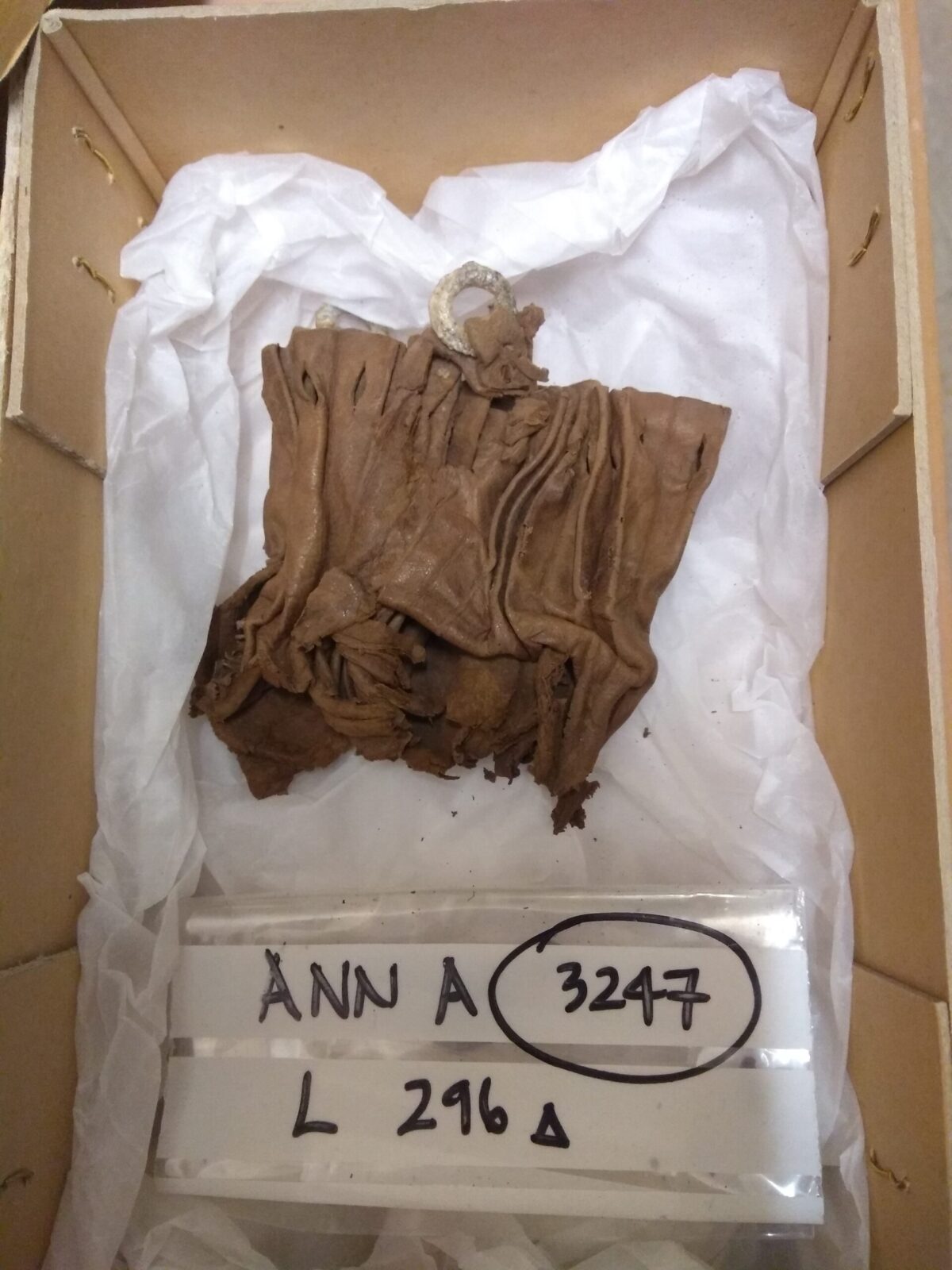
  • Another objective of the project was to condition check a number of leather objects. Tullie cares for one of the largest collections of organic archaeological objects in the UK.

It is the significance of this collection that helped secure additional funding from the Leathersellers Company Charitable Fund. This paid for specialist conservators from the Leather Conservation Centre to assess the collection and provide training for Tullie staff to continue the
work. The Documentation Assistant and Human History Curator attended The Institute of Conservation and Archaeological Leather Group
conference ‘Save our Skins!’ to deliver a paper on the success of the project.

Tullie has hosted visits form academic researchers who have been able to access material from archaeological sites which were previously inaccessible. The project also allowed our Documentation Assistant to begin their Associateship of the Museums Association.


Profiles

Rosa Fitt-Conway – Documentation Assistant

Rosa worked at Tullie as a Documentation Assistant for our archaeology collections. She worked with the volunteers to catalogue and organise the collections. She has worked previously for two different commercial archaeology companies, focusing on post-excavation and archiving, and her passion for archives and archaeological objects brought her to Tullie and the wonderful collections.

Elsa Price – Curator of Human History

Elsa joined Tullie in 2018 and was responsible for both the archaeology and social history collections. Her role in the project was to oversee everything and help Rosa in her epic task of organising all those boxes. Nothing brings Elsa more joy than knowing that the objects are happily stored, protected and catalogued.

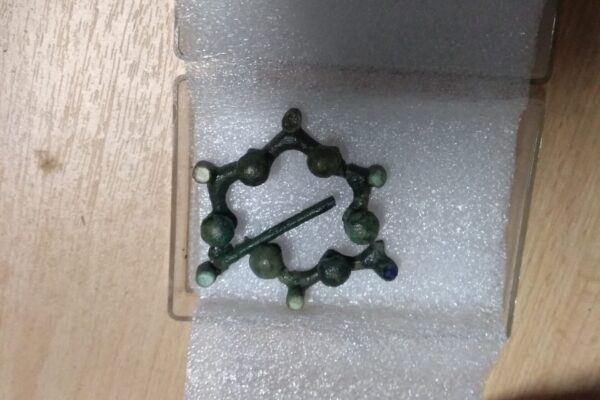
These are examples of some of the objects that were discovered through this project: a leather pouch and a medieval brooch.